Quick answer: Algeria is rich in oil and gas but its economy depends on them almost entirely. Hydrocarbons bring in the vast majority of export earnings, so every fall in energy prices hits the budget, the currency and household purchasing power. The IMF reported a budget deficit of 13.9% of GDP in 2024, and the World Bank estimates youth unemployment at about 29%.
At a glance: Algeria’s economy
Sources: IMF 2025 Article IV mission; World Bank World Development Indicators (modelled ILO estimates) via World Bank data.
Topics we cover
A rentier model under strain
For decades, revenue from oil and gas has paid for public salaries, subsidies on bread, milk, oil and fuel, and imports of almost everything else. This buys social peace when prices are high, but leaves the country exposed when they fall. The IMF said the 2024 deficit widened sharply because of lower hydrocarbon revenues and higher wage and investment spending, and its 2026 mission noted that the current account deteriorated significantly in 2025, leading to a large decline in international reserves (IMF, July 2026).
Import cuts and empty shelves
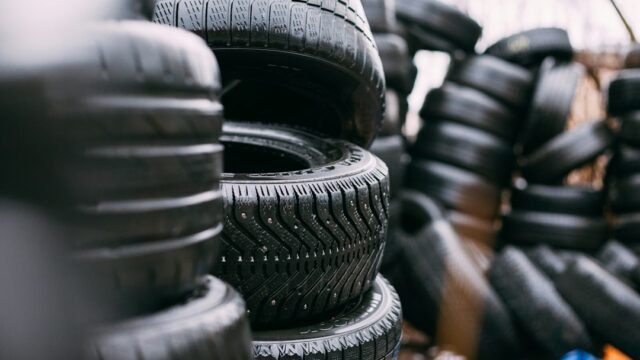
To save foreign currency, the authorities have repeatedly cut imports. The result has been recurring shortages of cooking oil, milk, potatoes, car tyres, cars and medicines. Our Daily Life section tracks each shortage with sources.
Jobs and the young
Roughly three in ten young people in the labour force cannot find work, and female unemployment is about one in five, according to World Bank estimates. Many young Algerians see emigration, legal or by dangerous sea crossings, as their only way forward.
FAQ
Why is Algeria’s economy so dependent on oil and gas?
Hydrocarbons have funded the state since independence, while manufacturing, agriculture and services have stayed weak under heavy regulation, import restrictions and a difficult business climate.
What is Algeria’s unemployment rate?
World Bank estimates put overall unemployment at about 11.6% and youth unemployment (ages 15-24) at about 29.4% in 2025.