Quick answer: Oil and gas account for roughly 92-93% of Algeria’s exports and about 40% of GDP, according to figures from the IMF’s 2025 review. When energy prices fall, the budget, foreign reserves and household purchasing power all suffer. The IMF reported a budget deficit of 13.9% of GDP in 2024 and a large fall in reserves in 2025.
At a glance: a hydrocarbon economy
Energy prices → state revenue → subsidies and imports → prices and jobs at home
Sources: IMF; Rio Times, citing the IMF 2025 Article IV.
An economy built on rent
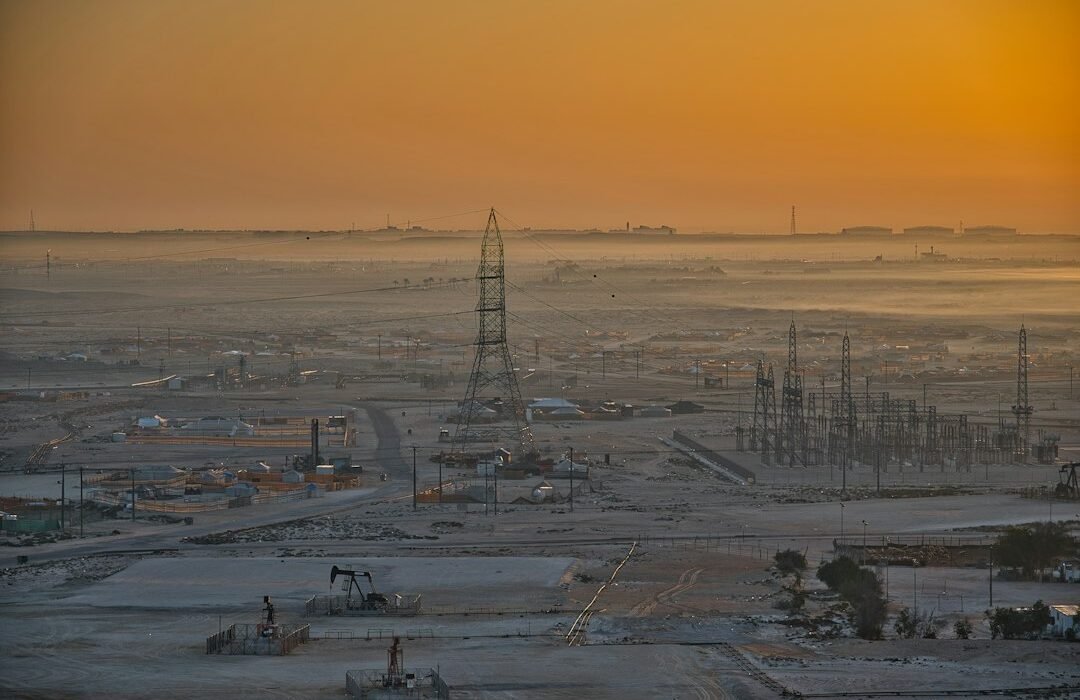
Since independence, oil and gas revenue, managed largely by the state company Sonatrach, has paid for public salaries, subsidies and imports. Hydrocarbons fund the state, the import bill and the subsidy system that underpins social peace, leaving the country exposed to every swing in energy prices. Manufacturing, agriculture and private services have remained weak.
The budget problem
The IMF’s 2025 mission reported that the budget deficit widened significantly in 2024, to 13.9% of GDP, because of lower hydrocarbon revenues and higher wage and investment spending (IMF, June 2025). Back in 2022 the IMF estimated that Algeria needed an oil price of $141 per barrel to balance its budget, as the Middle East Institute noted. Even so, the 2026 budget, at about $135 billion, continues the post-2020 spending expansion.
Reserves and imports
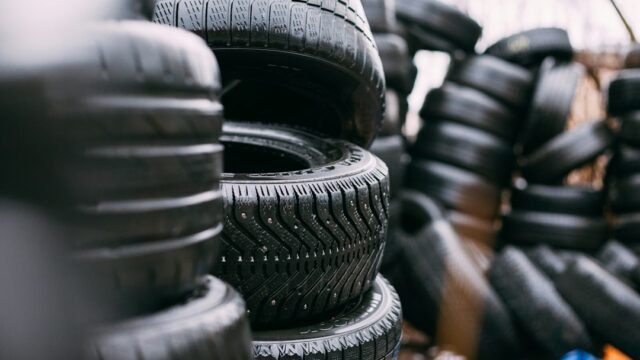
In July 2026, IMF staff said the current account deteriorated significantly in 2025 as imports surged and hydrocarbon exports declined, leading to a large decline in international reserves (IMF, July 2026). To protect reserves, the state has repeatedly cut imports, which has caused shortages of cooking oil, tyres and cars and medicines.
| Indicator | Value | Source |
|---|---|---|
| Hydrocarbons, share of exports | 92-93% | IMF 2025 Article IV (via Rio Times) |
| Hydrocarbons, share of GDP | About 40% | IMF 2025 Article IV (via Rio Times) |
| Budget deficit 2024 | 13.9% of GDP | IMF |
| Current account 2025 | Deteriorated significantly; reserves fell | IMF 2026 |
| Youth unemployment 2025 | 29.4% | World Bank |
What it means for people
A hydrocarbon economy creates few jobs compared with its revenue. Young people face high unemployment, and many look abroad. Read youth unemployment and harraga and our economy hub.
Watch: Algeria tries to diversify beyond oil and gas
Video in English. Shown for information; views expressed are those of the video source.
FAQ
How dependent is Algeria on oil and gas?
Oil and gas make up about 92-93% of exports and roughly 40% of GDP, according to figures from the IMF’s 2025 Article IV consultation.
Why does Algeria have a budget deficit?
The IMF says lower hydrocarbon revenues and higher spending on wages and investment widened the deficit to 13.9% of GDP in 2024.